When sourcing yoga mats for your brand, studio, or retail business, one decision matters more than any other: the material. The material determines everything — grip, durability, eco-friendliness, price point, and how your customers perceive your brand.
With so many options on the market, choosing the right yoga mat material can feel overwhelming. This guide breaks down every common material type, its pros and cons, and which buyers it's best suited for.
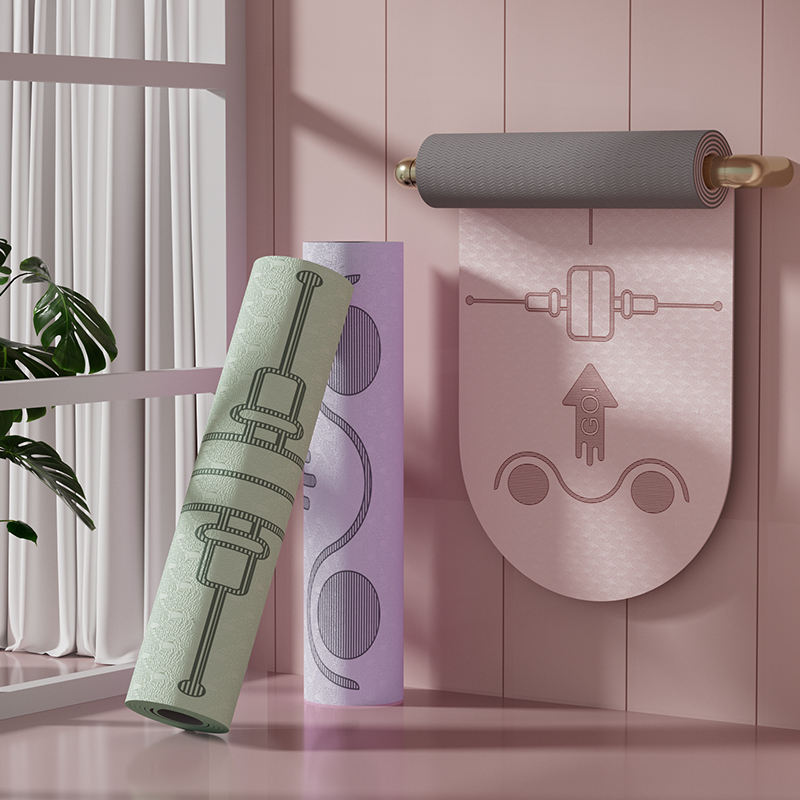
At a Glance: Yoga Mat Material Comparison
| Material |
Best For |
Durability |
Eco-Friendliness |
Price Point |
| PU + Natural Rubber |
Premium studios, hot yoga |
⭐⭐⭐⭐⭐ |
⭐⭐⭐⭐⭐ |
$24.82 |
| Natural Rubber |
Eco-conscious brands |
⭐⭐⭐⭐ |
⭐⭐⭐⭐⭐ |
$36.6 |
| Cork + Natural Rubber |
Hot yoga, sustainable brands |
⭐⭐⭐⭐ |
⭐⭐⭐⭐⭐ |
$24.82 |
| TPE (Thermoplastic Elastomer) |
Budget-friendly, beginners |
⭐⭐⭐ |
⭐⭐⭐⭐ |
$7.2 |
| PVC |
Entry-level, gym rentals |
⭐⭐⭐ |
⭐ |
$18.6 |
| Suede + Natural Rubber |
Luxury studios, pilates |
⭐⭐⭐⭐ |
⭐⭐⭐ |
$20.56 |
1. PU + Natural Rubber — The Premium Standard
PU (polyurethane) combined with a natural rubber base is widely considered the gold standard for high-end yoga mats.
Key advantages:
- Superior non-slip grip — The PU top layer absorbs sweat and actually becomes grippier as you perspire
- Excellent durability — Resists tearing, peeling, and surface wear for 2–3 years of daily use
- Eco-friendly — Natural rubber is biodegradable; PU is more sustainable than PVC
- Comfortable feel — Smooth, soft-touch surface that's gentle on skin
Best for: Hot yoga studios, premium private-label brands, and buyers targeting serious practitioners.
ArchiYoga's PU + natural rubber yoga mats are trusted by studios worldwide for their exceptional grip and durability.
2. Natural Rubber — Pure Performance
A 100% natural rubber mat offers excellent grip and environmental credentials without a PU top layer.
Key advantages:
- Excellent traction — Natural rubber provides superior non-slip performance
- Fully biodegradable — Made from renewable tree sap, with no synthetic additives
- Open-cell texture — Provides natural sweat absorption and grip
- Long lifespan — High-density rubber resists compression and deformation
Considerations: Some users notice a natural rubber smell initially; this fades within a few days. Rubber mats can be heavier than TPE alternatives.
Best for: Eco-conscious brands, yoga studios emphasizing sustainability, and customers who prefer a more natural material feel.
3. Cork + Natural Rubber — Nature's Innovation
Cork yoga mats have surged in popularity, and for good reason. The unique properties of cork make it ideal for certain practice styles.
Key advantages:
- Grip improves when wet — Cork is slightly hydrophilic, creating a tackier surface as you sweat
- Naturally antimicrobial — Resists bacteria, mold, and odors without chemical treatments
- Renewable harvest — Cork bark regenerates every 9 years without harming the tree
- Beautiful aesthetics — Natural earth tones appeal to design-conscious consumers
Considerations: Cork can wear down over time if the layer is too thin. Quality cork mats use thick cork adhered to a high-density natural rubber base for longevity.
Best for: Hot yoga studios, eco-luxury brands, and buyers seeking unique visual appeal.
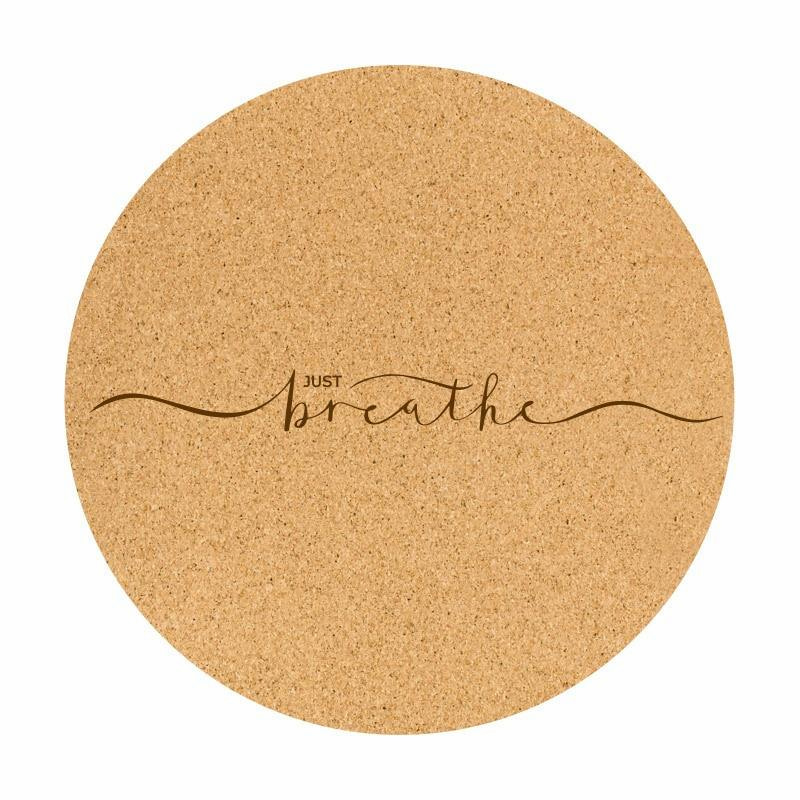
Check out ArchiYoga's recycled cork + natural rubber round mat for a sustainable, innovative design.
4. TPE — The Lightweight All-Rounder
TPE (thermoplastic elastomer) is a recyclable material that balances performance, weight, and affordability.
Key advantages:
- Lightweight — Easy to carry, ideal for travel and on-the-go practice
- Recyclable — More eco-friendly than PVC, often made with recyclable materials
- Good cushioning — Provides comfortable joint protection
- Odor-free — Unlike rubber, TPE has no natural smell
- Affordable — Lower price point than premium natural materials
Considerations: TPE mats typically have a shorter lifespan (1–2 years) than natural rubber mats. Grip may decrease over time as the surface wears.
Best for: Budget-conscious buyers, travel mats, beginner-friendly product lines, and gym chains.
ArchiYoga offers custom TPE yoga mats with arched designs for a premium look at an accessible price.
5. PVC — The Traditional Choice
PVC (polyvinyl chloride) has been the most common yoga mat material for decades, but its popularity is declining.
Key advantages:
- Very durable — PVC mats can last 5+ years with proper care
- Excellent cushioning — Closed-cell structure provides consistent padding
- Widely available — Easy to source at competitive prices
- Good grip when new — Textured surfaces can provide adequate traction
Considerations: PVC is not biodegradable, contains plasticizers, and may off-gas VOCs. Many eco-conscious consumers actively avoid PVC mats.
Best for: Budget product lines, entry-level gym equipment, and markets where price is the primary consideration.
6. Suede + Natural Rubber — Luxury Touch
Suede-top yoga mats combine the soft, elegant feel of microfiber suede with the grip of natural rubber.
Key advantages:
- Ultra-soft surface — Luxurious feel that's gentle on sensitive skin
- Excellent sweat absorption — Suede layer wicks moisture away
- Custom printing — Suede accepts detailed printed designs and logos beautifully
- Premium appearance — High-end look that commands higher retail prices
Considerations: Suede requires more careful cleaning and may show wear faster than PU surfaces.
Best for: Luxury studios, boutique brands, and customers seeking a premium experience.
ArchiYoga's custom suede + natural rubber round mat offers extra-wide space with an elegant suede surface.
Which Material Should You Choose?
For Yoga Studios (Rental Fleet)
Recommendation: PU + Natural Rubber (5mm)
Studio mats need to balance durability, grip, and easy cleaning. PU + rubber mats perform well across all categories and withstand daily use from multiple students.
For Private Label Brands (Premium)
Recommendation: PU + Natural Rubber or Cork + Natural Rubber
Premium brands should differentiate with high-performance natural materials. Offer both options to cover different customer preferences.
For Retail Chains (Mid-Range)
Recommendation: TPE and Natural Rubber
Stock a mix of TPE for budget-conscious shoppers and natural rubber for eco-conscious buyers. This covers the widest customer base.
For Gym Chains (High Volume)
Recommendation: TPE or PVC
When sourcing at scale for multi-location gyms, TPE offers the best balance of cost, weight, and eco-credentials. PVC remains an option for the lowest price point.
For Pilates Studios
Recommendation: PU Reformer Mats
Pilates requires specialized reformer mats with non-slip backing, sweat resistance, and easy-clean surfaces. ArchiYoga's PU reformer mats are designed specifically for this use case.
Final Thoughts
The material you choose for your yoga mat tells your customers what your brand stands for. Premium natural materials communicate quality, sustainability, and performance. Budget-friendly options serve an important market but come with trade-offs.
At ArchiYoga, we manufacture custom yoga mats in all major material categories. With 29+ years of experience, OEM/ODM flexibility, and 60,000+ pieces in stock, we help brands find the perfect material for their target market.
📦 In stock: 60,000+ pieces ready for customization
🌍 Shipping: Fast international logistics to 65+ countries
🎨 Customization: Logo, color, thickness, shape, material, and packaging — all tailored to your brand
👉 Contact ArchiYoga today for wholesale pricing and samples. Let's find the right material for your next product line.


 English
 Français
 Deutsch



 IPv6 network supported