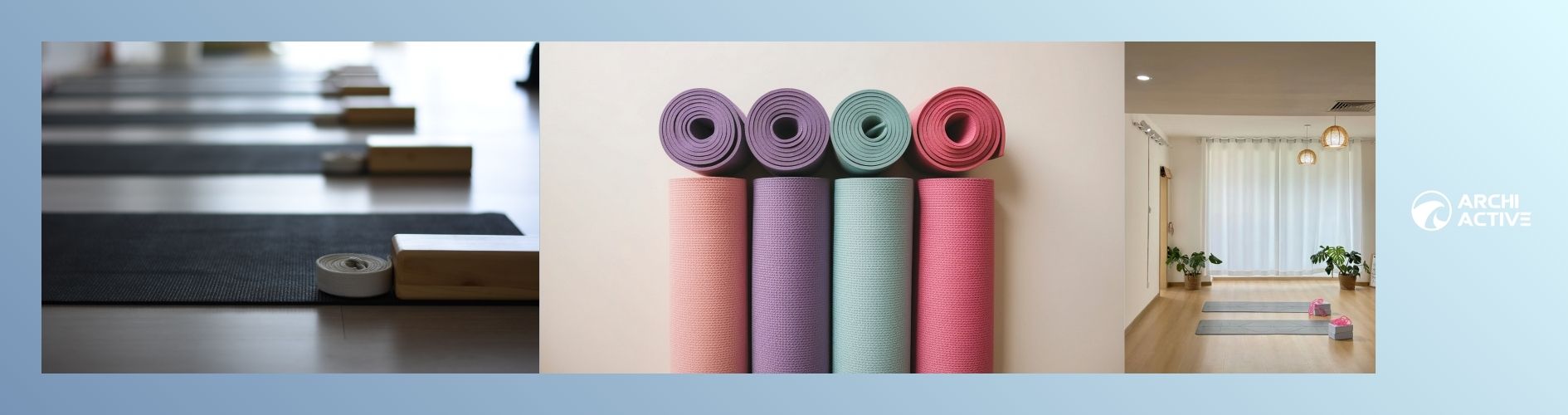
The global yoga market is no longer growing because yoga is trendy. It is growing because wellness has become part of everyday life.
According to data from the Global Wellness Institute, the global wellness economy surpassed $6 trillion and continues to expand, with fitness and mindful movement remaining key growth sectors. At the same time, millions of consumers are practicing yoga at home, in studios, and in hybrid fitness environments.
For yoga brands, this creates an interesting challenge.
The question is no longer whether people need yoga mats.
The question is why some mats are purchased once while others build loyal customers who return again and again.
The Hidden Cost of a Cheap Yoga Mat
When brands source yoga mats, price is often the first consideration.
A difference of just a few dollars per mat can seem significant when ordering hundreds or thousands of units.
However, customer reviews across major marketplaces consistently reveal the same complaints about low-quality mats:
- The surface becomes slippery after a few months.
- The mat starts peeling or cracking.
- The material develops a strong odor.
- Logos fade quickly.
- The mat loses cushioning and shape.
The replacement cost of a poor-quality mat is not measured in manufacturing expenses.
It is measured in customer trust.
A customer who spends $30 on a yoga mat that lasts six months is often less satisfied than one who spends $70 on a mat that performs well for several years.
This is one reason premium yoga mat categories have grown faster than entry-level products in many developed markets.
Consumers are increasingly willing to pay more for products that last longer and perform better.
Material Matters More Than Marketing
Many brands invest heavily in packaging, social media content, and influencer partnerships.
Yet the material itself remains the most important factor in customer satisfaction.
TPE: Lightweight and Accessible
TPE mats remain one of the most popular choices for beginners and commercial fitness programs.
- Advantages include:
- Lightweight design
- Affordable pricing
- Good cushioning
- Recyclable material options
For brands targeting entry-level users, TPE often provides the best balance between cost and performance.
PU + Natural Rubber: The Premium Standard
Premium studios and experienced practitioners increasingly choose PU natural rubber mats.
The reason is simple.
Grip.
As practice intensity increases, users value stability more than softness.
PU surfaces become even grippier with light moisture, making them particularly attractive for hot yoga and dynamic flows.
Although these mats can weigh more than twice as much as standard TPE mats, many consumers view the additional weight as a sign of durability and quality.
This is why some of the world's most recognized premium yoga brands continue to build their flagship collections around PU and natural rubber construction.
Sustainability Has Moved From a Bonus to an Expectation
Five years ago, eco-friendly materials were often treated as a niche selling point.
Today, they are increasingly becoming a purchasing requirement.
A 2025 consumer sustainability survey by PwC found that many shoppers are willing to pay a premium for products they perceive as environmentally responsible.
For wellness-focused consumers, purchasing decisions often align closely with personal values.
Brands that can clearly communicate material sourcing, manufacturing standards, and product longevity frequently gain a competitive advantage.
Interestingly, durability itself has become part of the sustainability conversation.
A mat that lasts five years may create less environmental impact than several low-cost mats that require frequent replacement.
The Rise of Customization
One of the biggest shifts in the yoga industry is that mats are no longer viewed as generic equipment.
They are becoming brand assets.
Studios want mats that reflect their identity.
Fitness brands want products that are recognizable on social media.
Corporate wellness programs want products that strengthen brand visibility.
As a result, demand for custom yoga mats has expanded far beyond simple logo printing.
Full-surface artwork, custom textures, laser engraving, embossed logos, and retail-ready packaging have become common requests.
For many brands, customization is no longer an added feature.
It is part of the product strategy.
What Successful Yoga Brands Understand
The most successful yoga brands rarely compete on price alone.
Instead, they focus on three factors:
Performance
The mat must feel better than alternatives.
Consistency
Every production batch must meet the same standard.
Brand Experience
Customers should recognize the product immediately, whether they see it in a studio, a social media video, or a retail store.
When these three elements work together, a yoga mat stops being a commodity.
It becomes part of a brand's identity.
Looking Ahead
The yoga mat market is becoming more sophisticated.
Consumers are better informed.
Reviews are more influential.
And expectations continue to rise.
The brands that will succeed over the next decade are unlikely to be the ones selling the cheapest mats.
They will be the brands that understand a simple reality: People do not remember what a yoga mat costs. They remember how it feels every time they step onto it.


 English
 Français
 Deutsch




 IPv6 network supported