When you walk into a yoga studio, what's the first prop you see? For most people, it's the yoga block. Stacked in corners, tucked under bolsters, scattered across the studio floor — these humble foam, cork, or wood rectangles are everywhere. And for good reason.
Yoga blocks are arguably the most versatile prop in any practice. They build length, provide stability, enable proper alignment, and open up poses that might otherwise feel impossible. But not all blocks are created equal, and choosing the right one — whether you're a practitioner, a studio owner, or a wholesale buyer — makes a real difference.
Let's break down everything you need to know about yoga blocks, from materials and uses to sourcing the best options for your brand.
Why Use Yoga Blocks at All?
Many newer practitioners see blocks as a "beginner crutch." Nothing could be further from the truth. Experienced yogis and instructors use blocks to:
- Deepen stretches — A block under the hand in Trikonasana (Triangle Pose) allows you to extend further without compromising spinal alignment.
- Improve stability — In Half Moon pose (Ardha Chandrasana), a block under the bottom hand creates a stable foundation when the floor is too far away.
- Support restorative practice — Blocks under the knees in Savasana or under the back in supported Bridge pose create a passive, deeply relaxing experience.
- Build strength progressively — Placing a block between the thighs in Chair pose activates the inner thighs and deepens the engagement.
In short, blocks aren't just for beginners. They're for anyone who wants to practice smarter, safer, and with better alignment.
Cork vs Foam vs Wood: Which Material Wins?
The three most common block materials each serve different needs.
Cork Blocks — The Premium Choice
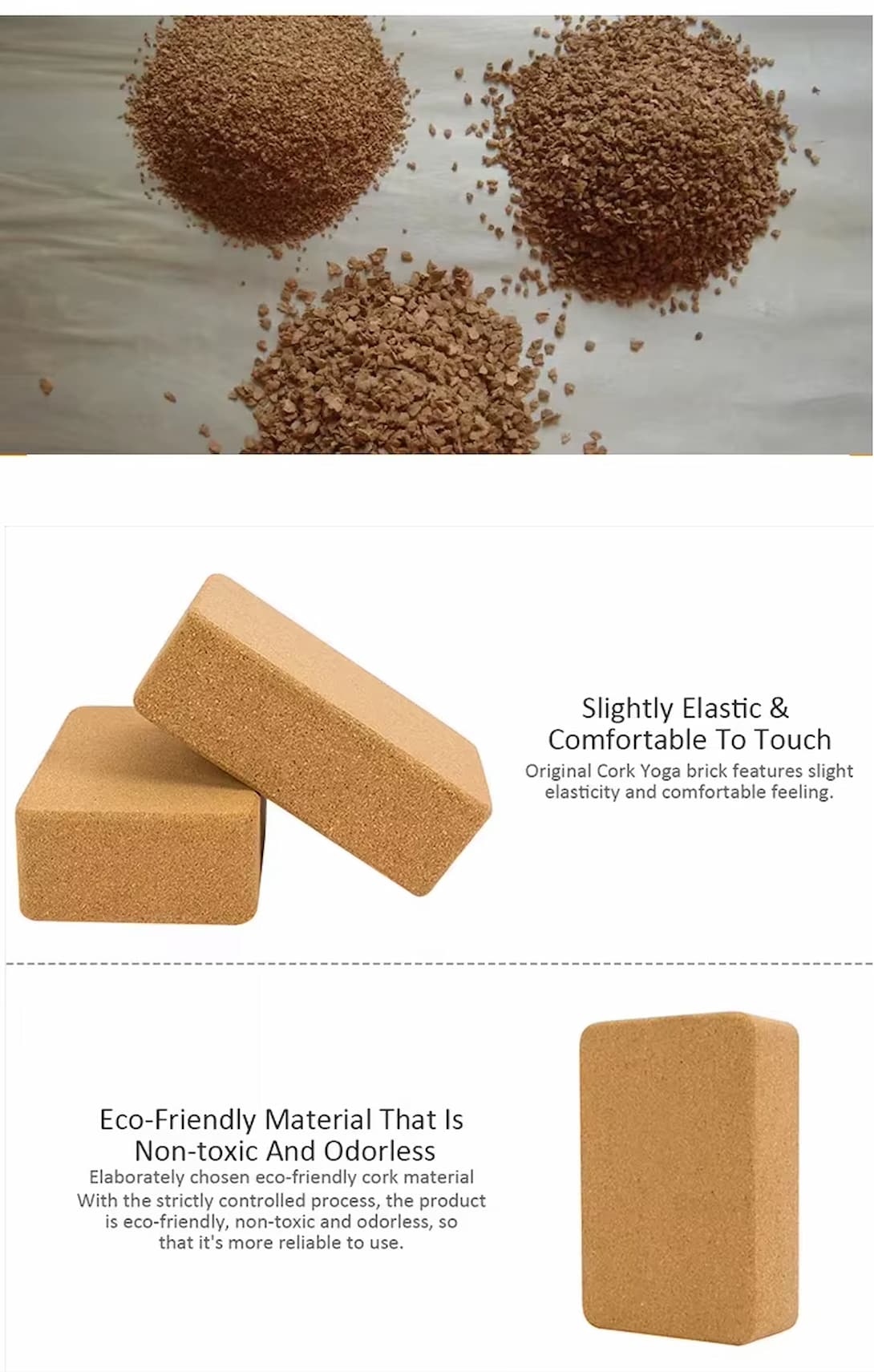
Cork has rapidly become the gold standard for yogis who value sustainability, grip, and durability.
Pros:
- Naturally antimicrobial and odor-resistant
- Textured surface improves grip as hands sweat — the opposite of foam, which gets slippery
- Heavier and denser — won't slide around during practice (~1.5–2.0 kg per block)
- Eco-friendly: cork is harvested from tree bark without cutting down trees
- Extremely durable — high-density cork blocks can last 5+ years
Best for: Hot yoga, vinyasa flow, studio rental programs, and eco-conscious brands
ArchiYoga's high-density cork yoga blocks are crafted from premium natural cork with smooth rounded edges and exceptional stability, making them a favorite among studios that prioritize quality and sustainability.
Foam Blocks — Lightweight and Budget-Friendly
Standard EVA foam blocks are the most common option in studios worldwide.
Pros:
- Very lightweight — easy to carry and store
- Soft, forgiving surface — ideal for beginners who may accidentally bump into the block
- Low cost — makes them ideal for large studio orders
- Available in a wide range of colors
Cons:
- Can compress and lose shape over time
- Become slippery when wet or sweaty
- Less durable than cork — typically last 1–2 years with regular use
- EVA foam is petroleum-based and less eco-friendly
Best for: Budget-conscious studios, home practice, and beginners
Wood Blocks — Solid and Traditional
Wood blocks offer the firmest support and a traditional aesthetic.
Pros:
- Extremely stable — almost no compression under weight
- Natural, timeless look that complements studio decor
- Very long-lasting
Cons:
- Heavy and hard — uncomfortable for sensitive areas
- Slippery surface, especially with sweaty hands
- Higher cost
- Can be noisy when placed on hard floors
Best for: Iyengar yoga studios and practices that prioritize absolute stability
How to Choose the Right Block for Your Needs
| Need |
Recommended Material |
| Eco-friendly / sustainable |
Cork (renewable, biodegradable) |
| Lightweight / portable |
Foam (EVA) |
| Hot yoga / intense sessions |
Cork (non-slip when wet) |
| Studio rental fleet |
Cork or high-density foam |
| Home practice / beginners |
Foam (forgiveness) |
| Alignment-focused practice |
Cork or wood (stability) |
| Budget-friendly |
Foam |
Size matters too. Standard yoga blocks are 9" x 6" x 4". Some brands offer 3" or 5" width options for different hand positions. When ordering in bulk for a studio, stocking a mix of standard and narrower blocks gives practitioners more options.
6 Creative Ways to Use Yoga Blocks Beyond the Basics
Most people use blocks under their hands in Triangle or Half Moon. But here are six ways that experienced practitioners and studios can get more value from their blocks:
1. Bridge Pose Support
Place a block under your sacrum in Setu Bandha Sarvangasana for a supported backbend that's deeply restorative. Keep it there for 2–3 minutes.
2. Seated Forward Fold Extension
Sit on a block in Paschimottanasana. The elevation tilts your pelvis forward, making it much easier to fold forward with a straight spine.
3. Dolphin Shoulder Opener
Place blocks under your forearms in Dolphin pose. The elevation creates more space in the shoulders and allows for a deeper opening without strain.
4. Sphinx Pose Modification
Place a block horizontally under your sternum in Sphinx pose. The support allows the upper back to relax fully, releasing tension between the shoulder blades.
5. Block Squeeze for Core Activation
Place a block between your thighs (flat side) in Chair pose or Bridge pose. Squeezing activates the inner thighs and pelvic floor, creating a deeper full-body engagement.
6. Recovery After Long Sitting
Place two blocks stacked vertically, lie back over them at the upper back, and let your arms fall open. This heart-opener counteracts the effects of hunching over a desk all day.
Sourcing Yoga Blocks for Your Brand or Studio
If you're a studio owner, fitness brand, or distributor looking to source yoga blocks, here are the key factors to consider:
Material Quality
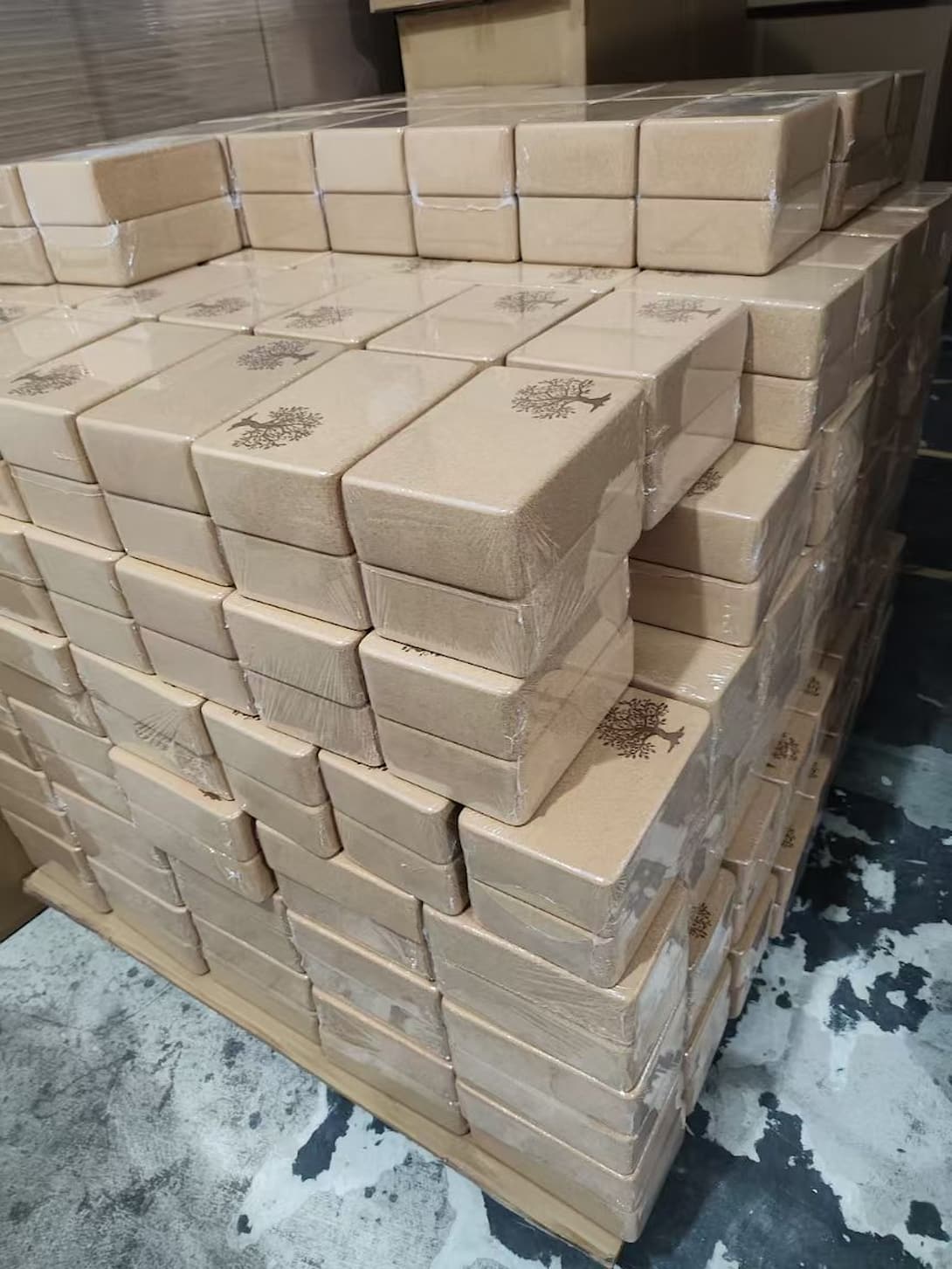
A block must hold its shape under repeated use. High-density cork (like ArchiYoga's blocks) or high-density EVA foam ensures consistent performance and longevity. Low-quality blocks compress after just a few months, creating an uneven surface that compromises alignment.
Customization Options
Branded blocks serve double duty: they enhance the studio aesthetic and create a retail revenue stream. Look for a manufacturer that offers:
- Custom logo printing (embossed or printed)
- Color matching for foam blocks
- Custom packaging with your branding
- Bulk pricing with consistent quality control
Safety and Compliance
Yoga blocks should be free from harmful chemicals, phthalates, and heavy metals. Cork blocks naturally meet these criteria, but foam blocks should carry certifications like REACH, RoHS, or similar regional safety standards.
Sustainability Credentials
As consumers become more eco-aware, the sustainability of your props matters. Cork is naturally renewable — bark is harvested without harming the tree. Some foam manufacturers now offer recycled or biodegradable EVA options. Choosing sustainable materials aligns your brand with the values of today's environmentally conscious practitioners.
Why ArchiYoga for Yoga Blocks?
At ArchiYoga, we manufacture premium cork yoga blocks designed to perform in the most demanding studio environments. Here's what sets us apart:
29+ years of yoga and fitness manufacturing experience — we know what works and what doesn't
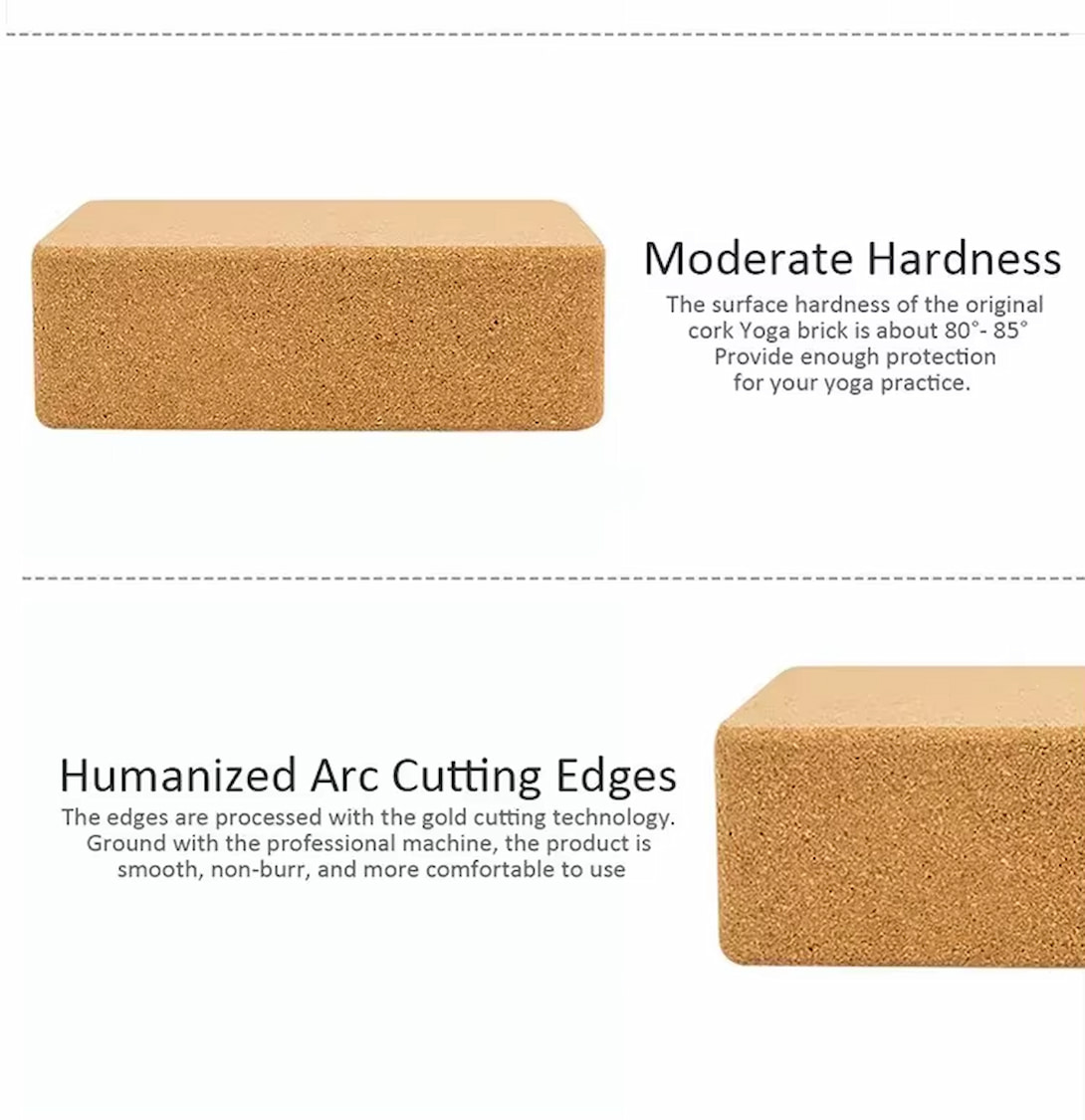
High-density natural cork — our blocks maintain their shape under pressure, providing secure support for balance and alignment
Non-slip grip — the naturally textured cork surface provides reliable traction, even during hot yoga sessions
Smooth rounded edges — precision-cut for comfort and safety during use
Eco-friendly — made from renewable, biodegradable materials
Custom branding — we support OEM logos, custom packaging, and color options for studios and private labels
🌍 Exported to 65+ countries worldwide
📦 60,000+ pieces in stock for fast fulfillment
Whether you're outfitting a boutique studio, launching a private-label product line, or simply upgrading your own practice, ArchiYoga has the quality and experience to deliver.
👉 Explore our cork yoga blocks or contact us for wholesale pricing and samples.


 English
 Français
 Deutsch



 IPv6 network supported